Solar & Battery Insights
for Smarter Energy Decisions

What Size Solar System Makes Sense for an Average Australian Household
Most people want a simple number
If you ask ten installers what the right solar size is for an average home, you will probably get ten different answers. Not because anyone is hiding the ball, but because household energy use varies wildly.
A retired couple in a small home might use most of their power in the evening. A family with someone working from home might have steady daytime loads. Add air conditioning, poolpumps, induction cooking, or plans for an EV and the “average” shifts again.
A useful approach is to start with a sensible baseline, then adjust based on how you use electricity and what you plan to do next.
A realistic starting point: a mid-sized system
For many Australianhomes, a mid-sized rooftop solar system is often a sensible starting point. Ittends to fit on a typical roof, covers a meaningful slice of daytimeconsumption, and keeps the design flexible if you add a battery later.
Instead of picking anumber off the internet, use this simple rule: size the system to match as much of your daytime demand as you can, without relying on exporting most of the energy to the grid.
Step 1: Use your bills, then go one level deeper
Your electricity bills tell you total usage, which is useful, but it is only half the story. What matters just as much is when the energy is used.
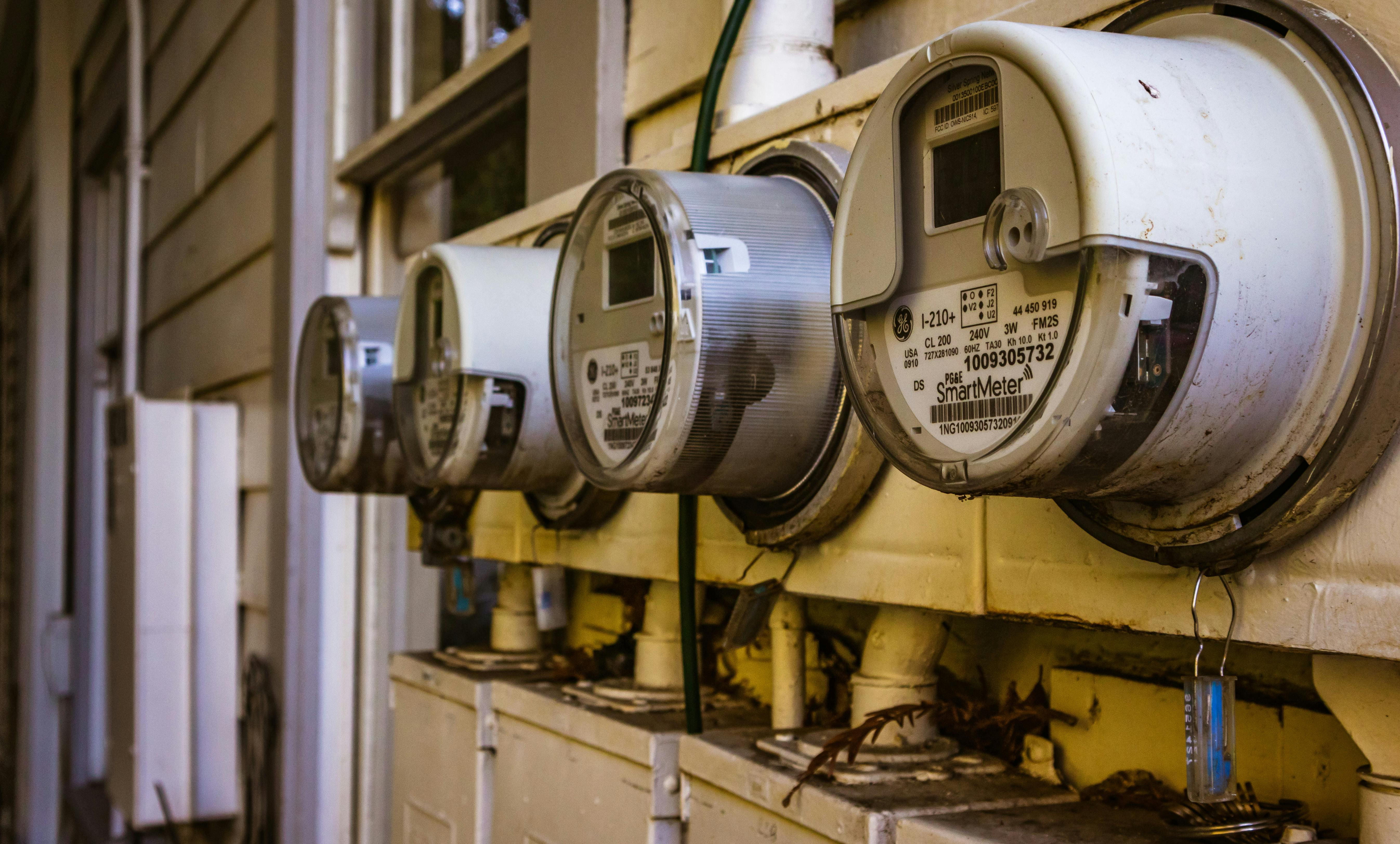
· If you have smart meter interval data, look at your weekday daytime usage (roughly 9am to 3pm).
· Look for regular loads: work-from-home equipment, fridges, hot water, air con, pool pumps.
· Check seasonal variation. Some homes use far more electricity in summer for cooling. Others spike in winter if heating is electric.
If you do not have interval data, you can still make a decent estimate by thinking about occupancy during the day and whether big loads can be shifted into solar hours.
Step 2: Roof reality check
Roof space and roofshape are often the hidden constraint. Two houses with identical bills mighthave very different roof layouts.
· Orientation: north-facing usually yields the mostannual energy, but east and west can match morning and afternoon demand well.
· Shading: a small shaded section can drag downperformance if the array is not designed properly.
· Available area: skylights, chimneys, setbacks, androof access paths reduce usable space.
A good design uses thebest roof areas first. It is usually better to place fewer panels in strong sunthan to cram extra panels into heavily shaded sections.
Step 3: Think about the grid, not justthe roof
In many parts of Australia, export limits apply. That means the network may cap how much solar you can send back to the grid at any moment.
Export limits do not stop you installing solar, but they do change the economics of going bigger. Ifa larger system frequently hits the export cap, extra panels may deliver diminishing returns unless you also add storage or shift loads into the day.
Common household profiles and what they tend to suit
These patterns are not rules, but they help you sanity check a system size recommendation.
· Daytime-heavy homes (work from home, kids at home, daytime air con): often suit a larger solar array because more energy is used directly.
· Evening-heavy homes (out all day, cooking and heating at night): often benefit from solar plus planning for a battery rather than simply adding more panels.
· High cooling loads: solar can align well if cooling runs during the day.
· Homes planning electrification (heat pump hot water, induction, reverse-cycle heating): sizing should include future loads, not just today’s bill.
Battery or no battery: size changes either way
If you are not adding a battery now, it is still smart to design as if you might. That affects inverter selection and how you allocate roof space.
A battery can increase self-consumption by shifting solar into the evening, but it is not magic. If your solar array is too small, there may not be enough excess during the day to reliably charge the battery. If the array is oversized, the battery may fill early and you are back to exporting.
A simple sizing method you can do at home
If you like a back-of-the-envelope approach, try this. It will not replace a proper design, but it helps you understand the scale you are aiming for.
1. Take your last bill and note the total kWh used.
2. Divide by the number of days on the bill to get average daily use.
3. Ask yourself what portion of that use happens during daylight hours. Many households land somewhere between 30% and 60%, depending on occupancy and appliances.
4. Aim to cover a large share of that daytime portion with solar.
For example, a homeusing 18 kWh per day might use 8 to 10 kWh during the day if someone is home, or only 5 to 6 kWh if the house is empty until late afternoon. The solar size that makes sense for those two homes will be different.
Why your tariff matters
Two households caninstall the same system size and see different outcomes because their electricity tariff differs.
· Time-of-use tariffs: the value of shifting usage into the day can be higher, especially if peak rates are steep.
· Low feed-in tariffs: exporting excess solar pays less, which can favour right-sizing or adding a battery later.
· Controlled load hot water: some homes have off-peak circuits that change the daytime load profile.
If you are unsure what tariff you are on, check your bill or ask your retailer. It is one of the quickest ways to explain why a system recommendation makes sense.
Common upgrades that change the right solar size
Solar sizing should not be based on today only. A few common upgrades can increase electricity use quickly.
· Heat pump hot water replacing gas or resistive electric hot water.
· Reverse-cycle air conditioning used for winter heating.
· Induction cooking replacing gas.
· EV charging at home.
If any of these are on your horizon, it is often cheaper to size and design with them in mind now than to retrofit later. Even if you do not install extra panels immediately, planning roof layout and inverter capacity around future needs keeps your options open.
What “average” looks like in practice
Across Australia, it is common to see households choose a system size that fits the roof and their budget, often landing in a mid-range capacity. That mid-range is popular because it can cover baseline daytime loads and still leave room to add storage later.
If your usage is low and you are away during the day, a smaller system can still be worthwhile. If your usage is high, you may benefit from a larger array, but only if you can use a lot of the energy on-site or have a plan for storage and smart load control.
A quick checklist to avoid sizing regret
1. Confirm your daytime usage pattern, even roughly.
2. Check whether your distributor applies export limits at your address.
3. Map the roof and shading before you commit to a systemsize.
4. Factor in near-term changes: EV, heat pump hot water,switching off gas.
5. Choose a design that prioritises self-consumption, not just maximum generation.
If you want a system that still feels right five or ten years from now, sizing it around your future energy plan is usually the difference.
Practical next step
A good installer will walk you through your usage data and the roof constraints and explain the trade-offs. A clear explanation is a good sign. A quote that jumps straight to “bigger is always better” usually misses the point.
Solar is a long-term asset. The best system size is the one that fits your life, your roof, and the way your local network works.

Why Bigger Solar Systems Are Not Always Better
The temptation to fill the roof
Solar quotes often make bigger sound automatically smarter. More panels, more energy, more savings. In reality, solar value is not just about how much the system can generate. It is about how much of that energy you can actually use, and what the grid will let you do with the rest.
A well-sized system should feel balanced. It should cover a solid portion of your daytime demand, leave flexibility for future upgrades, and avoid spending money on capacity that mostly ends up exported for a low return.
Self-consumption is the real engine of savings
Solar energy is usually worth the most when you use it in your own home. Exported energy is typically credited at a lower rate than what you pay to buy electricity from the grid.
That difference means extra panels only keep paying off if you can use more of the energy on-site. If you cannot, the payback of the extra capacity often slows down.
A simple worked example (no promises, just logic)
Imagine a household that uses 16 kWh per day. If only 6 kWh of that is used during daylight hours, a system that regularly produces 25 kWh per day will export a large chunk of energy most days.
If export is limited or the feed-in tariff is modest, that exported portion may not contribute much to the household’s bill reduction. Meanwhile the upfront cost of those extra panels is real.
Now flip the profile. A household using 16 kWh per day with 10 to 12 kWh of daytime use can get far more value from the same sized system because a larger share of generation is consumed on-site.
The point is not to chase a specific daily number. It is to match the system to when energy is used.
Panel capacity, inverter capacity, and what “oversizing” really means
Solar systems are often described by their panel capacity (in kW) because it is an easy comparison point. Inverters also have a rating, and the relationship between panel size and inverter size matters.
It is normal to have more panel capacity than inverter capacity. This is sometimes called DC oversizing. It can improve morning and late afternoon output and help the inverter run closer to its sweet spot more often.
The downside is that on very sunny days the inverter may clip the peak. A small amount of clipping is not necessarily a problem, but it is a sign that simply adding more panels has diminishing returns unless that extra generation is useful for your load profile or storage.
Export limits can cap the benefit of extra panels
Many distribution networks apply export limits that restrict how much solar can be sent back to the grid at any moment. If your system regularly hits that cap, additional generation may be clipped or curtailed.
This is one of the biggest reasons “bigger” can stop being better. You might be paying for extra panels that spend a lot of time producing energy you cannot export and do not use.
Feed-in tariffs change, and they can move against you
Feed-in tariffs are set by retailers and can change over time. A system sized purely around exporting large volumes can look attractive when feed-in rates are high, then disappoint later if rates fall.
Sizing for self-consumption tends to be more resilient because it is anchored to what you avoid buying from the grid, not what you might earn from exports.
Bigger systems can create practical headaches
Large arrays can still be a good choice in the right situation, but they bring practical considerations that are sometimes glossed over.
- Roof layout: fitting panels into poor roof areas can reduce overall performance.
- Shading: squeezing panels into shaded zones can drag down a string if the design is not careful.
- Inverter and switchboard limits: the electrical side of the home may need upgrades to support larger systems.
- Aesthetic and access: tight layouts can make roof access and maintenance harder.
A smaller system in a clean, unshaded roof zone can outperform a larger system spread across compromised areas.
When going bigger does make sense
There are situations where a larger system is genuinely the best move.
- High daytime consumption: work-from-home households, small businesses on-site, or big daytime HVAC loads.
- Planned electrification: replacing gas with heat pumps and electric cooking increases electricity demand.
- EV charging during the day: if you can charge at home in solar hours, extra generation can be used directly.
- Battery integration: a battery can soak up midday excess and release it later, increasing useful solar.
The key is that the extra energy has a clear job to do. If it does not, you are often better investing elsewhere.
Better alternatives to oversizing
If you are considering a bigger system because you want more benefit, you may have options that deliver stronger outcomes.
- Load shifting: run dishwashers, washing machines, and pool pumps during solar hours.
- Heat pump hot water: time hot water heating into the day to use solar directly.
- Smart EV charging: charge when solar is high instead of at night.
- Battery storage: store midday excess for evening use if the economics and your goals line up.
Often a well-designed “system” approach beats simply adding more panels.
A quick way to spot diminishing returns
Here is a simple mental check. If your proposed system would generate far more than your daytime usage, ask what happens to the excess.
- If the answer is “export it”, check whether export limits apply and what feed-in rate you are likely to receive.
- If the answer is “battery later”, check whether the design supports future battery integration and whether the battery size you would need is realistic.
- If the answer is “I’ll use more in future”, map out what that future load is and when it will run.
If none of those answers are clear, you may be staring at an oversized design.
What to ask your installer
A good installer should be able to explain why the recommended size suits your home. These questions usually separate real design work from generic quoting.
- How much of the system’s output do you expect I will use on-site versus export?
- Do export limits apply at my address, and how does that affect the design?
- Which roof faces are you using and why?
- If I add a battery or EV later, what would change in the design?
Clear answers here are worth more than a small price difference between quotes.
Bottom line
Bigger solar systems are not automatically bad. They just need a reason. If the extra energy is mostly exported for a low return or capped by export limits, the value of oversizing drops fast.
The best outcome usually comes from a system sized to your real usage, with a plan for how you will use the energy across the day and across the seasons.
If you still want a large system, make it deliberate
Some homeowners want a large system for good reasons, such as electrifying everything, planning for multiple EVs, or covering a small business load. That can be a smart move when the design is deliberate.
- Confirm export limits early and discuss options like dynamic export, smart load control, or staged expansion if relevant.
- Prioritise the strongest roof zones first and avoid compromised, shaded areas just to chase panel count.
- Think in stages: install the core system now, then add storage or extra capacity once you have real usage data.
A large system that is designed around your future loads will usually outperform a large system that exists mainly because the roof had space.

How to Design the Right Solar System Size for Australian Homes
Why Solar System Size Matters More Than Panel Count
Choosing the right solar system size is one of the most important decisions in any solar installation. It affects upfront cost, long-term savings, battery compatibility, and how flexible the system will be as household energy needs change.
A common mistake is focusing purely on panel count or total kilowatt size. In practice, the best-performing systems are those designed around how a household actually uses electricity, not how much a roof can physically fit.
Good system sizing balances generation, consumption, export limits, and future plans. When done properly, it avoids wasted capacity and delivers consistent value over decades.
Understanding Household Energy Use Patterns
Every solar design should start with real energy data.
Key factors include:
- Total annual electricity consumption
- Daytime versus evening usage
- Seasonal differences between summer and winter
- Existing gas appliances and planned electrification
Homes with high daytime usage, such as those with people working from home, often benefit from solar alone. Homes where most energy use happens after sunset typically see more value when solar is paired with a battery.
Looking only at annual usage can be misleading. Two homes with the same yearly consumption may require very different system sizes depending on when that energy is used.
Daytime Self-Consumption vs Exporting to the Grid
Solar energy delivers the most value when it is used within the home. Exported energy is usually compensated at a much lower rate than grid electricity costs.
This means:
- A system sized to maximise self-consumption often outperforms a larger export-heavy system
- Excess generation can reduce financial returns if export limits apply
- Batteries and load shifting become more important as systems grow larger
System sizing should aim to cover a significant portion of daytime demand rather than chasing maximum theoretical output.
Roof Orientation, Tilt and Physical Constraints
Roof layout plays a major role in determining practical system size.
Important considerations include:
- Available roof area
- Orientation and tilt angle
- Shading from trees, neighbouring buildings or chimneys
- Structural and heritage constraints
North-facing panels typically provide the highest annual output, but east- and west-facing arrays can be very effective for spreading generation across the day. In many cases, a mixed-orientation system delivers better real-world performance than a perfectly north-facing layout with limited capacity.
How Shading Influences System Design
Even partial shading can significantly reduce solar output.
Shading impact depends on:
- Time of day shading occurs
- Seasonal tree growth
- Panel layout and string configuration
Good system design accounts for shading early, sometimes reducing total system size to ensure more consistent performance across the day and year.
Export Limits and Network Rules
Most Australian distribution networks impose limits on how much solar energy can be exported to the grid.
Export limits influence:
- Whether larger systems provide additional value
- The financial return of extra panels
- The case for battery storage or load control
Ignoring export limits often results in oversized systems where a large portion of generation cannot be effectively used or exported.
Planning for Batteries From Day One
Even if a battery is not installed immediately, solar systems should be designed with battery integration in mind.
This includes:
- Inverter selection
- System voltage and capacity planning
- Physical space allocation
A solar system that is well matched to future battery capacity avoids costly redesigns later and allows smoother upgrades as household needs evolve.
Designing Solar for Electric Vehicles
Electric vehicles can significantly increase household electricity demand.
When planning for EV charging:
- Additional daytime solar generation may be beneficial
- Evening charging patterns may favour battery integration
- Switchboard capacity should be assessed early
Solar systems designed without considering EVs often feel undersized within a few years.
Why Bigger Solar Systems Are Not Always Better
Oversizing a solar system can reduce overall value.
Common issues with oversized systems include:
- High export volumes with limited financial return
- Increased upfront cost without proportional savings
- Missed opportunities to invest in batteries or energy efficiency
The goal is not maximum generation, but maximum useful generation.
Seasonal Solar Performance Expectations
Solar output varies significantly throughout the year.
In winter:
- Shorter days reduce generation
- Cloud cover can increase variability
- Heating loads often increase electricity use
In summer:
- Longer days increase total output
- Heat can slightly reduce panel efficiency
- Cooling loads change consumption patterns
A well-sized system performs reliably year-round, even if winter output is lower than summer peaks.
How Professionals Calculate Solar System Size
Experienced system designers use more than bill totals.
Their process often includes:
- Interval energy data analysis
- Roof modelling and shading assessment
- Network export rules
- Future electrification planning
This approach results in systems that perform consistently in real-world conditions, not just in ideal scenarios.
Future-Proofing Your Solar Investment
Household energy needs rarely stay the same.
Solar system sizing should allow for:
- Family growth or lifestyle changes
- Transition away from gas
- Increased cooling and heating use
Designing with flexibility in mind ensures the system remains valuable over its full lifespan.
Key Takeaways on Solar System Sizing
The right solar system size is rarely the largest available. It is the one that fits your household’s energy use, roof constraints, network rules, and future plans.
A carefully designed system delivers steady value, avoids unnecessary cost, and provides a solid foundation for batteries, EVs, and electrification upgrades.
FAQ
What size solar system do I need for an average Australian home?
Most homes land somewhere in the mid-range, but the right size depends on your roof space, tariff, and when you use electricity. A household with high daytime usage can often make good use of a smaller system, while evening-heavy homes may benefit more by pairing solar with a battery rather than oversizing panels.
Is it better to oversize a solar system?
Not always. Oversizing can increase exports that earn a low feed-in rate, and export limits may restrict how much you can send to the grid. Often the best value comes from sizing for self-consumption and planning for future upgrades like a battery or EV.
How do export limits affect solar system size?
If your network sets an export cap, a larger system may produce more energy than you can export during peak solar hours. In that case, system design should focus on using more solar on-site through load shifting, smart controls, or storage.
Does roof orientation matter when sizing solar?
Yes. North-facing panels typically maximise annual output, but east and west arrays can better match morning and afternoon household demand. The best design often balances output with when you actually use power.
How much does shading reduce solar output?
Even partial shading can reduce output, especially if it affects panels during key generation times. A proper design will consider shading by time of day and season, and may adjust panel layout or system size to improve consistency.
Should I size solar differently if I plan to get a battery later?
Usually, yes. A battery changes how much solar you can use on-site, especially in the evening. It’s worth designing the system with battery compatibility in mind, including inverter selection and allowing room for future expansion.
Should I size solar differently if I plan to buy an electric vehicle?
Often, yes. EV charging can add a large new load. If you expect to charge during the day, extra solar capacity may help. If most charging will happen at night, you may also consider battery storage or smart charging to shift load.
Why does solar output drop in winter?
Winter has shorter days and the sun sits lower in the sky, which reduces the energy available for panels to capture. Cloud cover can also increase variability. A good design sets expectations for winter performance rather than sizing only for summer peaks.
Can I add more panels later if I start small?
Sometimes, but it depends on the inverter capacity, roof space, and network rules. Planning for future expansion at the start can make upgrades easier and avoid replacing major components.
What information does an installer need to size a system properly?
Ideally: recent electricity bills, interval data if available, details on roof orientation and shading, and your plans for batteries, EVs, and electrification. The better the inputs, the more accurate and future-proof the design.
Coming soon...